26 November 2026
Choosing City Tours in Barcelona Ciutat Vella
Presented by @barcelonacitytourjournal
Picking city tours in Barcelona is easier when you start with the way you want to move through the city. Barcelona rewards slow looking. A narrow street in Ciutat Vella can feel very different from an open stretch near the water, and the same is true of the routes between them. Before comparing options, decide whether the day should be mostly on foot, mostly by bike, or a mix with time for a long sit down.
Think about your starting point and your energy level. If your base is near Plaça de la Rosa dels Vents, it makes sense to look first at routes that begin close by or pass through the old city early, before the busier hours. That does not mean every plan has to stay nearby. It means the first and last part of the day should be easy to reach, especially if you are travelling with children, older relatives, or luggage.
Start with the shape of the day
A city visit can be built around landmarks, neighbourhoods, food, views, or simple orientation. The best choice usually combines two of those, not six. A first visit might focus on the old streets, a major landmark, and a clear view over the city. A repeat visit might go deeper into one district, with more time for shops, courtyards, and cafés.
Write down the things you would be disappointed to miss, then mark which ones matter most. Keep the list short. If Gaudí landmarks are high on it, look for a route that gives them proper context instead of a quick photo stop. If the port of Barcelona or Barceloneta beach matters, check how the route gets there and how much time is spent moving between places. A plan that crosses the city too many times can leave little time for the places themselves.
A guided walking tour suits people who want explanations as they go. It also helps in dense streets where turns are easy to miss. A bike tour covers more ground and works well for wider streets and waterfront stretches, though it asks more of anyone unused to cycling in traffic. A quieter option may be a route with set stops and enough free time to linger.
Check the route in practical terms
Once you have a shortlist, read the route as if it were a map, not a promise. Look at the meeting point, the finish point, and the spaces between the named stops. If the end is far from where you want to be, allow time and a simple way to get back. A finish near a metro stop or a familiar square can make the rest of the day much smoother.
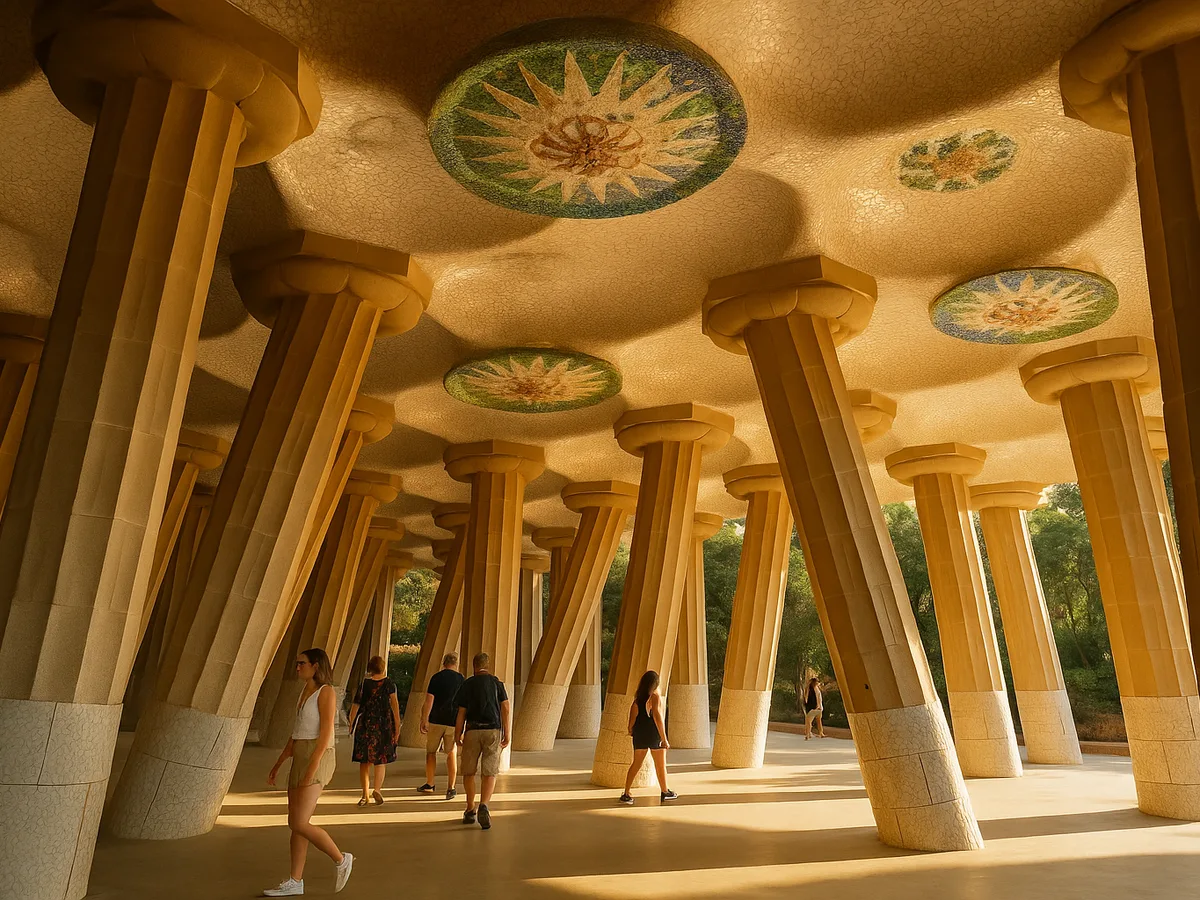
Pay attention to pace. Some routes are designed for steady walking with few pauses. Others include long stops at each site. Neither is automatically better. The right pace depends on whether you want a broad overview or a slower look at details. For a hot day, shade and seating matter as much as the list of sights. For a rainy day, covered passages, indoor stops, and a shorter outdoor section may be wiser.
A good barcelona city tour should make the first hour feel clear, not rushed. Early stops help you understand the layout of the old city and the change from medieval streets to later avenues. If the route repeats the same type of stop again and again, it may feel long even when the distance is modest.
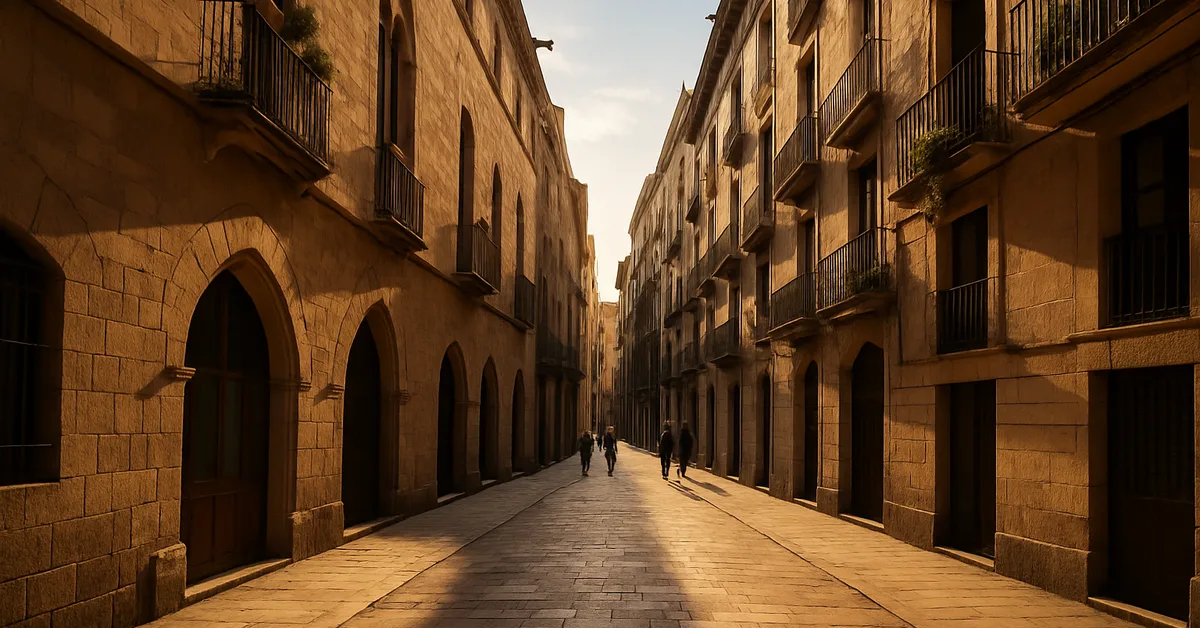
Access is another practical point. Old streets can have uneven paving, steps, tight corners, and crowded pavements. If anyone in the group needs step-free access or frequent rests, ask before choosing. The answer should cover the whole route, not just the main stop. It is also sensible to confirm whether the pace includes standing for long periods, since that can be harder than walking.
Match the style to the people going
Group size changes the feel of a tour. A small group makes it easier to ask questions and hear the guide. A larger group can move more slowly at busy sites and may require more waiting. Families often benefit from a route with clear breaks and not too much standing in one place. Couples and solo visitors may prefer a slower route with space for independent time.
Language matters too. A route explained in a language everyone understands is worth more than a longer list of stops. If there are mixed language needs, check whether written material or audio support is available before booking. Do not assume that a title in English means every part of the experience will be in English.
Timing should fit the rest of the day. Morning routes tend to feel calmer in busy districts, while late afternoon can bring softer light for panoramic views. Tapas tasting works best when it does not sit between two long walking stretches. If a meal is planned afterwards, leave a gap. Barcelona has a way of turning a short stop into a long one, especially around El Born district.
One local option is Sagrada Familia & Barcelona City Tour. Treat that as one local option among several and compare it against the same practical points used for any other choice: route, pace, start and finish, language, group size, and access.
Compare what is included without guessing
Two routes can look similar on a page and still feel quite different in practice. One may centre on architecture, another on food, and another on the wider story of the city. Read the wording carefully. If a stop is described as a view, it may not include entry. If a landmark is mentioned as part of the route, it may be seen from outside. That is not a problem, but it should be clear before you decide.
Ask about the details that affect the day: whether entry tickets are part of the plan, whether there are rest stops, what happens if plans change, and how long each segment lasts. It is worth confirming these points with whichever business you choose. This avoids awkward assumptions and helps you compare like with like.
Also check how much free time is built in. Some visitors like a guide for the first part and then want to explore alone. Others prefer a continuous route with few decisions. A plan with two or three clear pauses often feels more balanced than a packed itinerary, particularly in warm weather.
Transport is another detail worth settling early. Some routes are entirely on foot. Others include a vehicle between distant points. If a route mentions metro or bus connections, decide whether you are comfortable managing those in a busy city. For visitors arriving on a cruise, the distance between the ship and the old city deserves careful attention, since a short tour can still involve a long transfer.
Read reviews with a critical eye
Reviews can reveal patterns that a route description misses. Look for repeated comments about pace, meeting points, sound, crowding, and the amount of time spent waiting. A single glowing comment is less useful than several consistent notes. Equally, one unhappy review may be about a day that was unusual, so read the response and the surrounding context.
Pay attention to what reviewers expected before the tour. If they expected entry to a building but got an exterior view, that tells you more about unclear wording than about the route itself. If many people mention that the guide made the city easier to understand, that is a different kind of signal. Both help you judge fit.
Another barcelona city tour may appear in recommendations, but the same name in two lists does not mean the same experience. Compare the actual route and the practical details each time. A useful review should answer a simple question: would this suit the way your group likes to explore?
Make the final choice calmly
By this point, the decision should be less about finding the longest route and more about avoiding the wrong fit. Choose the option that starts in a convenient place, covers the sights you care about, and leaves room for the city to surprise you. Barcelona is dense enough that a focused plan usually feels better than a rushed one.
Before confirming, check the date, the meeting instructions, the language, the length, and what happens in poor weather. Keep a simple backup plan, such as a café near the start or an indoor stop you can add if the pace becomes tiring. With those details settled, the day has room to unfold without feeling forced.
For direct details, Sagrada Familia & Barcelona City Tour is at Plaça de la Rosa dels Vents, 1, Ciutat Vella, 08039 Barcelona, Spain, and can be contacted on +34 632 93 79 41.